“Farm-to-Table Dining: Why It’s Changing the Future of Restaurants”
Farm to Table Dining: Why It Is Altering the Future of Restaurants.
Farm-to-Table Dining is changing the meaning of eating well in the current fast food and mass production society. Moreover the movement establishes meals based on freshness, sustainability, and community by linking diners directly with farmers. In the case of restaurants such as Nova Eats, implementation of such a model is not a trend, but rather a long-term investment on quality and responsibility.
What Is Farm-to-Table Dining?
Simply it means buying the ingredients directly at local farms and producers as opposed to large distributors. Moreover sustainable restaurants create menus which are based on regional seasons using local products and organic ingredients. Every dish comes with a story of the origin of the food and the way it was cultivated- a bit of food transparency that is much valued by the modern day guests.
The Origins of the Movement
The concept was formed during the late 20th century, when the question of environmental expense of industrial agriculture started to be posed by chefs. Over time, the Farm-to-Table Dining has evolved into a niche ideology and eventually transformed into a global norm of environmentally friendly dining, praising freshness, morality, and taste.
The reason Restaurants are returning to Farm to Table Dining.
The contemporary diners have become more conscious about their food more than ever before. Farm-fresh food necessitates demand, and the restaurant will be motivated to adopt this model so as to attract its customers and gain trust and brand loyalty.
1. Freshness and Flavor
Since the ingredients are picked in the optimum condition, they generates more flavor, color, and nutrition. The chefs are able to create rotating seasonal menus to ensure that the guests are thrilled throughout the year.
2. Supporting Local Economies
Sustainable restaurants support local economies by purchasing in local farms. These alliances generate employment, save farmland and make sure money remains in the community- which customers of Nova Eats are happy to endorse.
3. Promoting Sustainability
This is because Farm-to-Table Dining would automatically lessen carbon emissions through minimized transport distance and packaging waste. Some composting programs and efficient kitchens will put you in a blueprint of the real sustainability of a restaurant.

Improving the Dining Experience.
Guests need authenticity when they enter a farm-to-table restaurant. Everything, menu design, decor to everything, is a reverence to nature, to seasonality.
Transparency and Trust
Diners are concerned about the origin of their food. Almost all environmentally friendly restaurants present their partner-farms on a chalkboard or an online display, which strengthens food transparency and fidelity.
Innovation and Seasonal Menus.
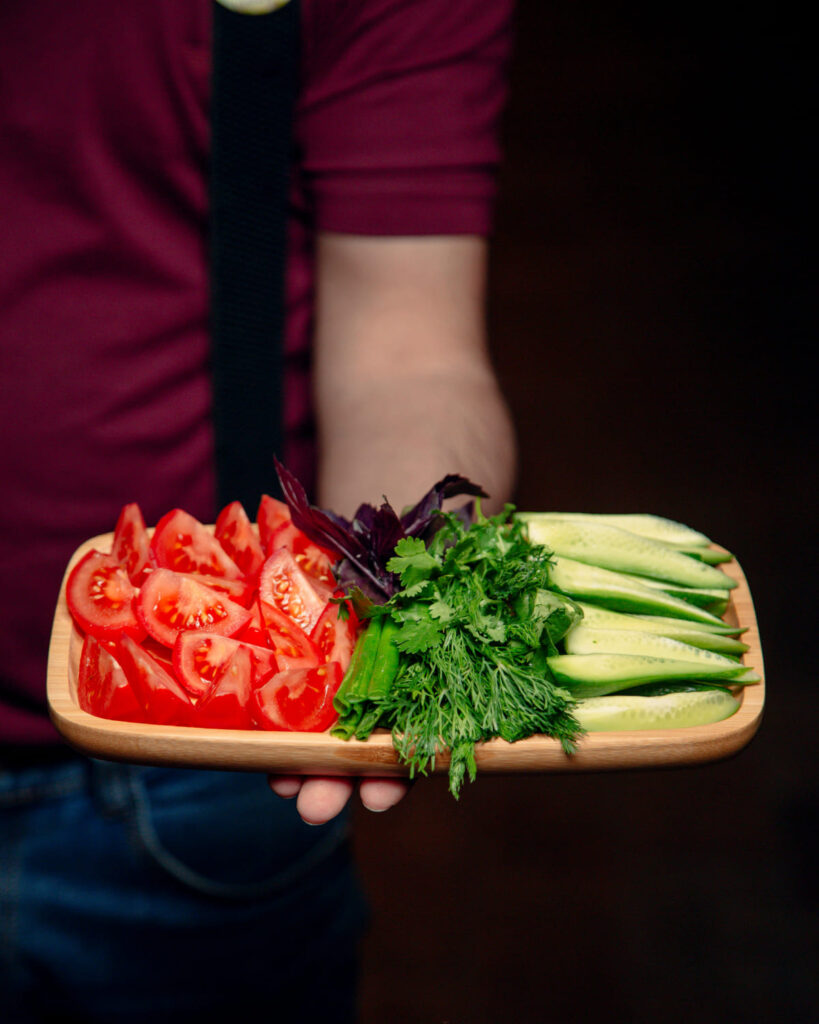
Farm-to-Table Dining is dependent on freshness making its menus change continuously. Summer is the tomato and berry season, winter is the season of root vegetables, and grains. This rotation makes chefs more creative and at the same time, the quality of the flavor should be of the best.
Problems in the Farm-to-Table Movement.
Even though it sounds attractive, Farm-to-Table Dining is associated with its own peculiarities – particularly the small ones.

Higher Operational Costs
Organic ingredients and small-scale farming are more expensive and this reduces profits. Storytelling and high quality branding is the way that many restaurants compensate this- people are ready to spend money on real quality.
Logistical Complexities
There should be accuracy when coordinating deliveries by different farms. Supply can be derailed by weather changes or harvests which are not bountiful. To resolve this, most venues resort to technology to effectively deal with local partnerships.
The place of technology in the Farm-to-Table Dining.

Farm-to-Table Dining on the digital tools has never been easier than in the modern world. Apps enable farmers and chefs to be in touch in real time to guarantee the availability and traceability of ingredients.
Farm Management Systems
Clouds enable farmers to make updates on the inventory, harvest data, and delivery times in real time. This visibility assists the sustainable restaurants with their menu planning, to know what is really in the season.
Online Traceability and Online Ordering.
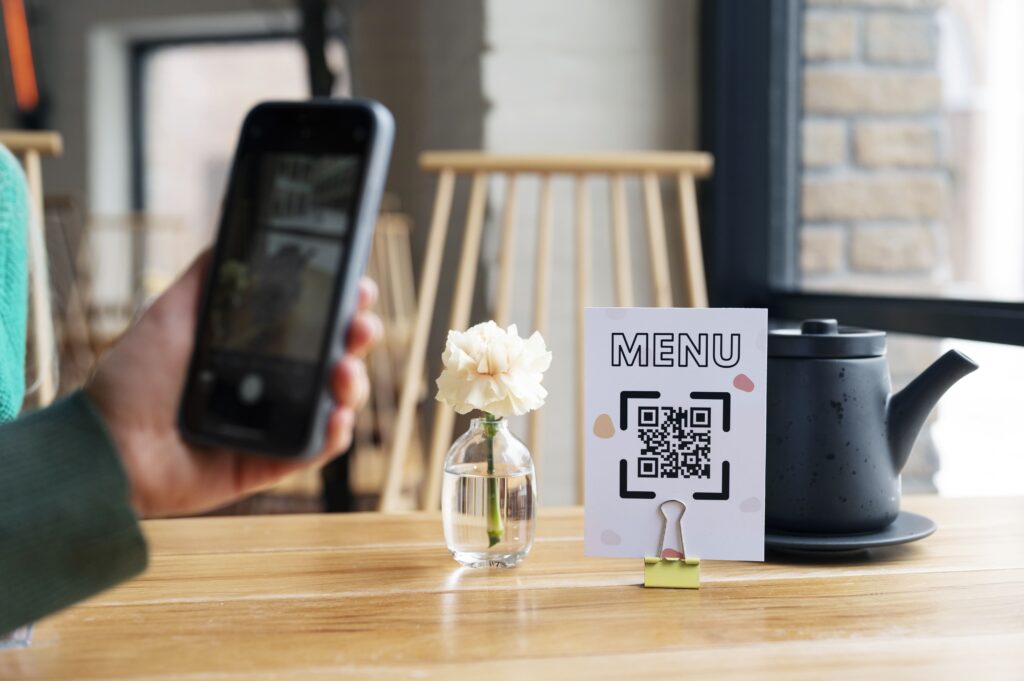
Other restaurants place QR codes on the menus to display the source of ingredients. A high level of food transparency can further enhance customer interaction and prove to be environmentally friendly in their food habits.
What lays ahead of the future of farm-to-table dining.
The trend of the Farm-to-Table Dining has been increasing lately as people are pursuing ethical, healthy food.
The Standard of Sustainability.
Restaurant sustainability will not be a choice soon, it will be a demand. Among the restaurants that will be overlooked by the move are those that do not take care of the move and lose their relevance in a market dominated by the conscious consumers.

Beyond Fine Dining
Since being restricted to the luxury settings, Farm-to-Table Dining is currently thriving in cafes, casual restaurants, and food trucks. Such democratization proves that sustainability can be attained at all prices.
Summary: Future of Nova Eats and Farm-to-Table Dining.
Farm-to-Table Dining is not just a food fad, it is a cultural revolution that brings farms and dishes together. Nova Eats offers meals that are honest, delicious, and green by promoting local production, organic products, and restaurant sustainability.
Since guests will always need a reason as to why they are eating, as long as the restaurant aims at the right audience, Farm-to-Table Dining will be the philosophy that guides the restaurant in serving authentic and community-based food that would help make the planet a better place to live in.

